Watch on YouTube
Watch on Vimeo
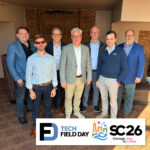
Mallikarjuna Rao Mudigonda of Cisco explains why security must be fused into the data center network instead of bolted on. He introduces Nexus smart switches with built-in DPUs and walks through use cases for east-west segmentation and offloading DMZ firewalls. He also demonstrates policy deployment and troubleshooting in Nexus Dashboard, along with Live Protect, which shields vulnerable switches without an upgrade. This session was recorded during Cisco’s presentation at Tech Field Day at SC26.
Mudigonda compared the old bolt-on model, with its multiple vendors, silos, and no central policy, to a fused approach that puts networking and stateful firewalling in the same switch. Both Nexus smart switches include 800G of DPU capacity, used today for L3/L4 firewall services, and future DPUs will add more bandwidth and services such as IPsec offload. If customers aren’t ready for the DPUs, one line of config powers them down and the box runs as a standard switch. Adding a few smart switches and steering tenant traffic to them with PBR brings stateful segmentation to existing ACI or NX-OS fabrics. Spreading them across the fabric lets policy follow workloads as VMs move. In a DMZ, the switches can handle L3/L4 filtering in front of existing firewalls and send only traffic that needs L7 inspection to those firewalls. Asked about latency, Mudigonda put the DPU hairpin at roughly eight to ten microseconds per packet. The demo showed VRFs secured in Nexus Dashboard, policies pushed from Hypershield, a default-deny ping failure that succeeded once an ICMP rule was added, and a connectivity analysis tracing the packet from the front-panel port through the DPU and back.
Cisco expects about 80% of east-west traffic to need only L3/L4 inspection. That traffic can be enforced close to the source rather than hairpinned to a central firewall, and the team acknowledged that reducing latency is still a work in progress. Mudigonda then turned to Live Protect, which closes the months-long gap between a CVE being published and switches being patched. A Tetragon container on the switch watches kernel calls, and a shield file tells it which actions to block, such as opening a file or processing a malformed packet. Nexus Dashboard shows active advisories and the affected devices across many fabrics. One click puts hundreds of switches into protect mode with no upgrade and no impact on the data plane.
Thank you for being part of the Tech Field Day community! Our mailing list is a great way to stay up to date on our events and technical content, and we appreciate your signup.
We promise that we’ll never spam you, send ads, or sell your information. This list will only be used to communicate with our community about our events and content. And we’ll limit it to no more than one message per week.
Although we only need your email address, it would be nice if you provided a little more information to help us get to know you better!