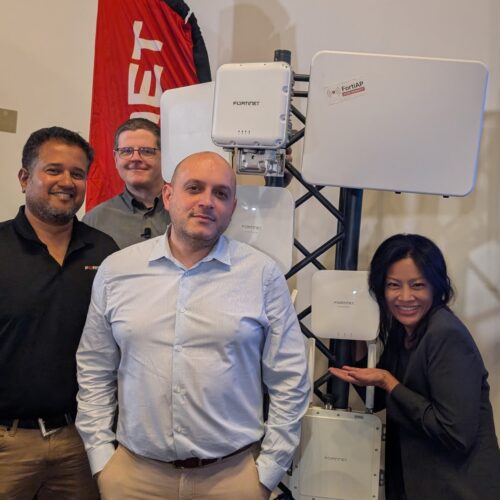
HPE Indoor Standard Power with Wes Purvis
Wes Purvis of HPE Networking examines the potential benefits and technical hurdles of using 6 GHz standard power (SP) mode in indoor environments. Traditionally, indoor 6 GHz is limited to low power indoor (LPI) mode, which often results in a significant transmission power imbalance between the access point and the client. This discrepancy leads to […]
HPE Wi-Fi 7 Updates
Wes Purvis, representing HPE Networking, provides an update on the current state of Wi-Fi 7 and the recent integration efforts between Aruba and Juniper Mist. He begins by highlighting HPE’s successful infrastructure role in the 2026 Winter Olympics, which served over a million clients across five and six GHz bands. Transitioning to market trends, Purvis […]
HPE Journey to Self-Driving Networks
The session highlights the rapid integration of Aruba and Juniper Mist technologies, focusing on the evolution of the self-driving network. Bob Friday introduces the concept of agentic AI as a non-deterministic programming language that moves beyond traditional automation to solve complex network problems with high efficacy. The core vision centers on a Waymo-like experience for […]
HPE Campus & Branch Overview
The session marks a significant milestone as the first appearance of the combined HPE, Aruba, and Juniper Mist entities following their recent merger. The speakers emphasize their commitment to a self-driving network philosophy, arguing that simply having a network up does not equate to a quality user experience. By merging the talent and assets of […]
Getting Visibility into Shadow AI with Fortinet
Wei Ling Neo discusses the evolving landscape of “Shadow AI” and the critical regulatory pressures facing modern enterprises. A central theme of the presentation is the upcoming enforcement of the EU AI Act, which carries massive financial penalties of up to €35 million or 7% of global revenue for non-compliance. While Fortinet previously focused on […]
Futurum Research Cybersecurity and Resilience Practice Overview
Fernando Montenegro, Tom Hollingsworth. Analysts at Futurum Research sit at the intersection of technology buyers, sellers, investors, and broader stakeholders like academia and government to provide both quantitative and qualitative data to answer critical industry questions. Their cybersecurity and resilience practice, which underwent a rebranding to emphasize the necessity of resilience alongside security, focuses on […]
Dell Advanced Cybersecurity Maturity
Dell Technologies leads the industry across a vast portfolio including storage, servers, and PCs, supported by an expansive supply chain and a massive network of direct and partner sellers. Steve Kenniston emphasizes that Dell approaches security across three specific business buckets: the modern workplace, the modern data center, and the services organization that helps accelerate […]
Secure Every Device, Everywhere with FortiSASE
Ramnath Shenai, Director of Products and Solutions at Fortinet, presented an overview of the FortiSASE architecture, highlighting its role in providing consistent, cloud-delivered security across diverse enterprise environments. At the core of the solution is FortiOS, which powers every FortiSASE point-of-presence (POP) globally, ensuring that customers receive the same high-performance security efficacy in the cloud […]
Fortinet Unified Endpoint Security
Hari Krishnan, Director of Product and Solutions at Fortinet, highlighted the company’s strategic push to unify endpoint security by consolidating previously disparate tools into a single, comprehensive platform. As organizations increasingly struggle with agent fatigue, or managing multiple, disconnected agents for VPN, ZTNA, endpoint protection (EPP), and EDR. Fortinet addresses this complexity through the FortiClient-based […]
Modernize Security Operations from Tools to Platform with Fortinet
Max Zeumer, Director of Products and Solutions for Fortinet’s Security Operations portfolio, outlined the company’s strategic shift toward a unified, platform-centric approach designed to simplify the increasingly complex cybersecurity landscape. As organizations struggle with a fragmented collection of independent tools–such as SIEM, EDR, and SOAR–and face a deluge of high-speed threats, they often encounter critical […]
Fortinet Security in a Post Quantum World
Wei Ling Neo, a product manager at Fortinet, presented an overview of the company’s evolving strategy to address the challenges posed by quantum computing and the rapid rise of “Shadow AI” within enterprise environments. As the anticipated timeline for Q Day–the point at which quantum computers will be capable of breaking existing encryption standards–continues to […]
Fortify Your Cybersecurity with Fortinet
Chris Hinsz, Senior Director of Product and Solutions at Fortinet, emphasized the company’s evolution beyond its traditional reputation as a firewall vendor, highlighting a broad portfolio that encompasses secure networking, SASE solutions, and AI-driven security operations. Central to this strategy is a platform-centric philosophy built upon a single, unified operating system, FortiOS. This common foundation […]
Nile Presents at Mobility Field Day 14
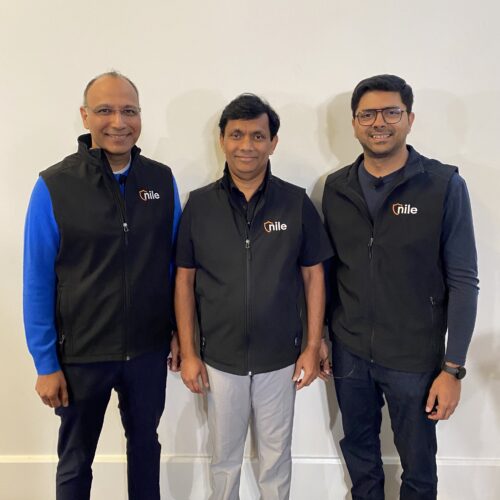
Cisco Presents at Mobility Field Day 14
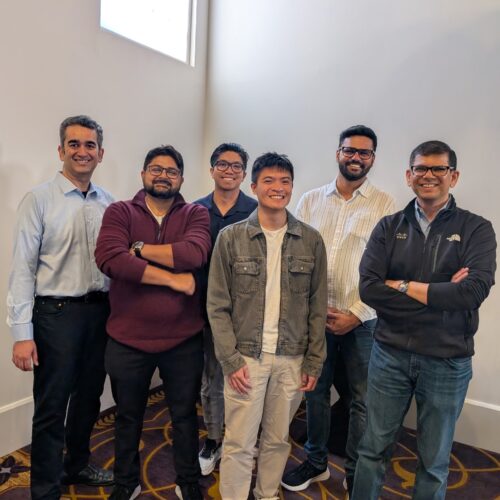
Wyebot Presents at Mobility Field Day 14
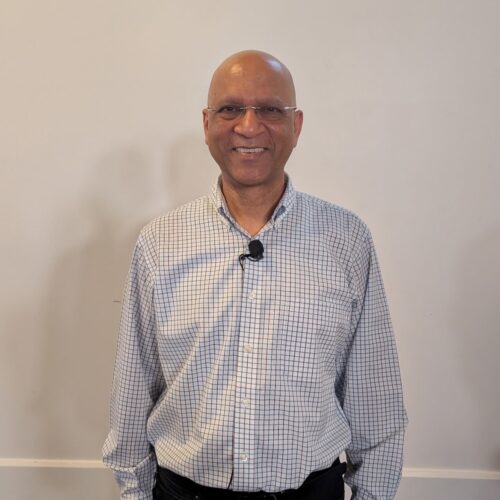
HPE Presents at Mobility Field Day 14
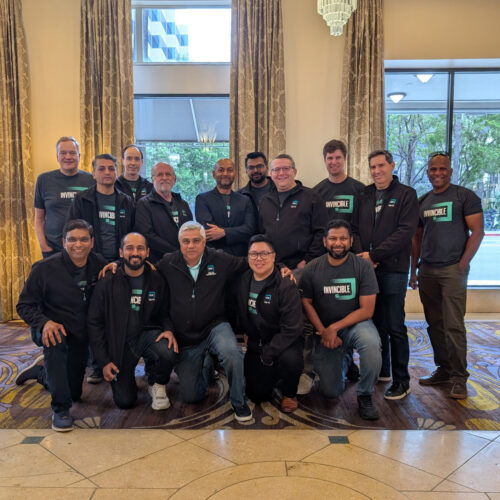
Celona Presents at Mobility Field Day 14
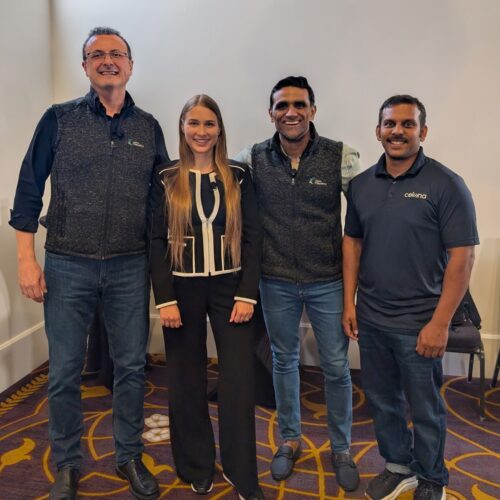
OneLayer Presents at Mobility Field Day 14
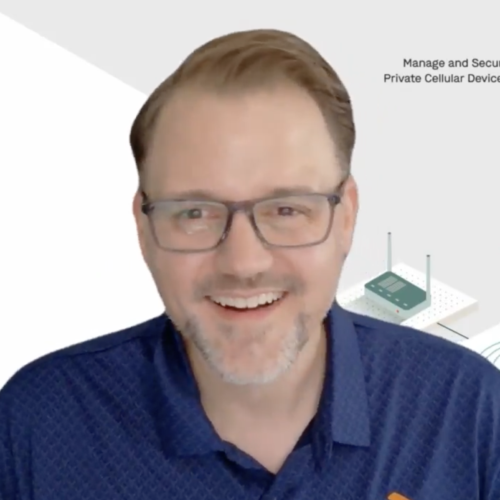
Arista Presents at Mobility Field Day 14
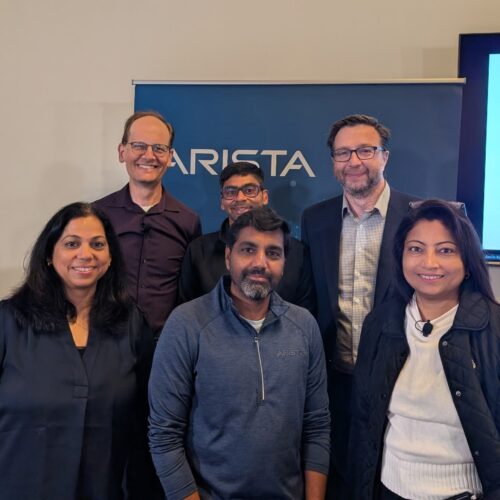
Ubiquiti Presents at Mobility Field Day 14
Fortinet Presents at Mobility Field Day 14